Imagine losing your car keys. Now imagine losing the keys to your entire fortune. That’s the feeling many experience when their digital assets are stolen. Thankfully, there’s a solution: a crypto hardware wallet. This guide will walk you through everything you need to know about these essential security tools. You’ll explore what they are, how they work, and why they’re critical for protecting your digital currency. You’ll gain a deeper appreciation for the importance of securing your digital wealth and learn how to choose the right crypto hardware wallet to safeguard your investments, providing the peace of mind you deserve.
Key Takeaways
- A crypto hardware wallet stores your cryptocurrency offline, making it less vulnerable to hacking.
- These wallets use encryption and physical security to protect your private keys.
- Understanding the different types of hardware wallets available is essential.
- Learn how to choose a secure and suitable wallet for your needs.
- Properly setting up and using a hardware wallet is crucial for maximum protection.
- Maintaining your hardware wallet requires vigilance, including firmware updates and security practices.
Understanding Crypto Hardware Wallets
Digital currencies have revolutionized finance, offering exciting opportunities for investment and trading. However, they also introduce new security concerns. Unlike traditional bank accounts, cryptocurrency wallets are often targeted by hackers. A crypto hardware wallet provides a secure way to store your digital assets, offering a layer of protection that software-based wallets simply can’t match. It’s like having a physical vault for your digital gold.
What Is a Crypto Hardware Wallet?
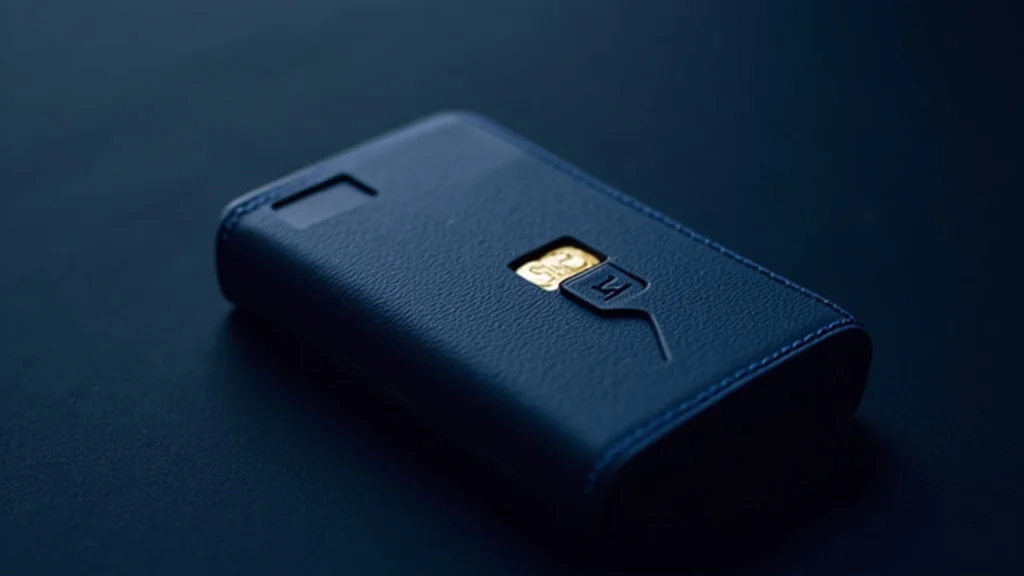
A crypto hardware wallet is a specialized physical device, resembling a USB drive or small card, designed to store your cryptocurrency’s private keys offline. These keys are crucial because they grant access to your digital assets. Since the wallet is disconnected from the internet, it’s significantly less susceptible to online threats, like malware and hacking attempts. When you want to transact, you connect the wallet to your computer, enter your PIN or passphrase, and authorize the transaction directly on the device. This extra step ensures that your private keys are never exposed to potentially dangerous online environments. This process adds an extra layer of security compared to software wallets that are connected to the internet.
Think of it as a fortress that keeps your digital valuables safe. This wallet is typically built with a secure element, a specialized chip designed to withstand physical attacks. This makes the device more resistant to tampering or attempts to extract your private keys. The hardware itself is often designed to be tamper-evident, so any attempt to open or modify the device will be easily detectable. Some manufacturers even offer advanced features like secure boot and unique key generation to further enhance security.
How Do Hardware Wallets Work?
The core function of a crypto hardware wallet is to keep your private keys safe. These keys are generated and stored within the device, completely isolated from the internet. When you want to send crypto, the wallet signs the transaction with your private key, proving you are the owner. Crucially, the private key itself never leaves the device. Instead, the transaction data is displayed on the wallet’s screen, so you can verify it, and then you approve the transaction by pressing a button. This process prevents malware from accessing your keys directly.
The device uses a secure element to generate and store your private keys. The secure element is designed to withstand physical attacks. The communication between the wallet and your computer is typically encrypted, so if someone intercepts the data, they cannot read it. Some wallets also have a “blind signing” feature, which means that the device can sign transactions without knowing the complete details. This improves security if the connected computer is compromised. The entire system is built to provide maximum security for your digital assets.
Key Features of Crypto Hardware Wallets
- Secure Element: A tamper-resistant chip stores your private keys.
- Offline Storage: Private keys remain offline, reducing the risk of online attacks.
- Transaction Verification: The wallet displays transaction details for your approval.
- PIN/Passphrase Protection: Adds an extra layer of security.
- Backup and Recovery: Allows you to recover your assets if you lose or damage your wallet.
Consider the PIN or passphrase feature. This adds an extra layer of defense against unauthorized access. If someone steals your hardware wallet, they still cannot access your funds without the correct PIN or passphrase. Furthermore, a backup and recovery system enables you to restore your access to your digital currency. This means that even if you lose or damage the wallet, you can still access your assets using a backup seed phrase.
Choosing the Right Crypto Hardware Wallet
Selecting the right hardware wallet is essential for protecting your digital assets. You’ll find different devices, each offering various features and supporting different cryptocurrencies. Consider factors such as security, usability, supported coins, and the reputation of the manufacturer. Spending some time exploring these options before making a decision will contribute to long-term security.
Factors to Consider When Choosing a Wallet
- Security Features: Look for wallets with a secure element, open-source firmware, and a strong track record.
- Supported Cryptocurrencies: Ensure the wallet supports the coins you want to store.
- Ease of Use: Choose a wallet that is easy to set up and navigate.
- Price: Hardware wallet prices vary, so set a budget.
- Reputation: Research the manufacturer’s reputation and read reviews.
- Backup and Recovery: Ensure the wallet offers a reliable backup process.
Security features should be a top priority. A wallet with a secure element and a good track record of security incidents is preferred. Examine the coins the wallet supports. Not all hardware wallets support all cryptocurrencies, so ensure that the wallet you pick supports the coins you own or plan to acquire. Usability is critical, especially if you are new to the area. A user-friendly interface will make managing your crypto assets easier. Review the price of different wallets and set a budget. Keep in mind that a slightly more expensive wallet from a reputable brand might offer better security.
Checking the manufacturer’s reputation is also important. Research the company’s background and read reviews from other users. Look for wallets that offer a reliable backup and recovery process. If the wallet is lost, damaged, or stolen, you’ll want to have a way to recover your assets.
Top Crypto Hardware Wallet Brands
Several well-known brands produce reliable hardware wallets. Each company offers different models, with varying features, prices, and supported cryptocurrencies. Due diligence and reading reviews from other users is important to inform your decision. This way you’ll choose the best hardware wallet for your needs.
Here are some of the popular hardware wallet brands:
- Ledger: Known for their user-friendly devices and extensive coin support.
- Trezor: Pioneer in hardware wallets, offering robust security features.
- SafePal: Offers a user-friendly experience with an emphasis on security.
- KeepKey: A more budget-friendly option with a sleek design.
- BitBox: Simplistic and straightforward, emphasizing security and privacy.
Each brand is slightly different in terms of user experience, price point, and the features it offers. Take some time to compare the different brands to see which one best meets your needs. Look at the specific models offered by each brand and review their security features, supported coins, and the manufacturer’s reputation before making your choice.
Assessing Security Features and Design
When assessing security features, begin by evaluating the physical design. Does the wallet appear well-built and resistant to tampering? Does it use a secure element chip to protect your private keys? Next, explore the firmware of the device. Does the manufacturer publish the firmware source code, allowing security researchers to examine it for vulnerabilities? Also, is the wallet protected by a PIN or passphrase to add extra security? Examine the device’s ability to generate backups and recovery, so you can recover access to your assets if the device is lost or broken. The design should incorporate physical and digital security measures to ensure your assets are protected from various risks.
Setting Up and Using Your Crypto Hardware Wallet
Setting up your crypto hardware wallet and using it properly is essential to its effectiveness. The setup process can be simple. It involves creating a wallet and backing it up. Once set up, you can transfer your cryptocurrencies from exchanges or other wallets to your hardware wallet. When conducting transactions, the hardware wallet ensures that your private keys remain safe. Following these steps helps you to maximize the protection your wallet provides.
Initial Setup and Wallet Creation
Setting up your hardware wallet involves a few basic steps: connecting the device to your computer, installing the necessary software, and creating a wallet. During wallet creation, the device will generate a recovery seed phrase, typically 12 or 24 words. This seed phrase is crucial because it allows you to restore your wallet and access your assets. This recovery phrase serves as a backup, so it must be secured. Write it down and keep it in a safe, offline location. Never store it digitally or share it with anyone.
The specific steps may vary depending on the wallet model. The important thing is to follow the manufacturer’s instructions carefully. It’s often helpful to test the recovery process immediately after creating your wallet to ensure the backup works. This can give you peace of mind.
Transferring Crypto to Your Hardware Wallet
Once your wallet is set up, you can start transferring your digital currencies. This process typically involves copying the public address of your hardware wallet for the specific cryptocurrency you are transferring. You will then paste that address into the “send” field on your exchange or software wallet from which you are sending the crypto. After initiating the transfer, the transaction must be confirmed, usually taking a few minutes to hours, depending on the network. Once the transaction is complete, you will see your coins within your hardware wallet interface.
It’s important to carefully check the destination address before sending any funds. Confirm that the address displayed on your hardware wallet matches the one you entered on your computer. This added verification step can help protect you from sending your digital currency to the wrong address. Test with a small amount first to ensure everything works as expected.
Making Transactions with a Hardware Wallet
Making transactions involves connecting your hardware wallet to your computer and using the wallet’s software or a compatible software wallet. When you want to send crypto, you’ll enter the recipient’s address and the amount you want to send, and then you’ll initiate the transaction. The transaction details will be displayed on your hardware wallet’s screen, and you will need to approve it by pressing a button on the device. This process keeps your private keys safe. The private key never leaves the device. Therefore, no matter how compromised your computer might be, your key will remain secure. This process is one of the key benefits of using a crypto hardware wallet.
Always verify the transaction details on your hardware wallet’s screen before approving. This verification step ensures that you are sending the correct amount to the correct address. Be careful of phishing attempts that might try to trick you into entering the wrong address. Double-check all details and approve the transaction only when you are 100% certain everything is correct.
Advanced Security and Maintenance
Protecting your crypto hardware wallet requires more than just buying one. Regular maintenance and the use of advanced security techniques help you to maintain a high level of protection for your digital assets. This includes keeping the firmware up to date, securing your recovery seed, and employing various best practices for ongoing security. These habits are essential for long-term security.
Firmware Updates and Device Management
Firmware updates are essential for maintaining the security of your hardware wallet. Manufacturers frequently release updates to patch security vulnerabilities. These updates can address issues that could expose your private keys to hackers. Updates often add support for new cryptocurrencies and improve the usability of the wallet. Firmware updates should be applied promptly when released.
Before applying the update, verify the source to ensure you download from the official website. The wallet will often guide you through the update process. During the update, follow the on-screen instructions closely, and never interrupt the process. Afterwards, check to verify the update went smoothly. You should then consider restoring your wallet using your recovery seed as a test to confirm everything is working correctly.
Securing Your Recovery Seed
Your recovery seed is your last line of defense. The seed allows you to recover your funds if you lose or damage your hardware wallet. The seed is typically a series of 12 or 24 words, and it’s essential to protect this phrase. Never store it digitally, such as on a computer or your phone, as that would make it vulnerable to hackers. Instead, write it down on paper and store it in a safe place. Consider using a metal seed storage device or a fireproof safe.
Avoid taking photos of your seed or sharing it with anyone. The recovery seed is as sensitive as the private keys themselves. Anyone with access to your seed can steal your funds. Keep it in a secure location and ensure that you are the only person who can access it. Consider using a passphrase in addition to the seed, adding another level of security. If you ever suspect that your seed has been compromised, move your funds to a new wallet with a new seed.
Best Practices for Crypto Hardware Wallet Security
To maximize your security, follow these best practices. First, keep your wallet’s firmware up to date. Next, always purchase your hardware wallet directly from the manufacturer or an authorized reseller. Only connect your wallet to devices that you trust. Avoid using public Wi-Fi or untrusted networks when making transactions. Create strong PINs and passphrases. Also, regularly check the transaction details displayed on your hardware wallet’s screen before confirming. Be vigilant about phishing scams, which can attempt to trick you into revealing your seed phrase or sending your funds to the wrong address.
Another recommended practice is to make small test transactions when setting up a new wallet or when adding a new cryptocurrency. This verifies the process is running smoothly and that everything works as expected. Keep your devices updated and maintain a safe environment to avoid any risks. By following these best practices, you can further improve the security of your digital assets.
Common Myths Debunked
Myth 1: Hardware Wallets Are Unhackable
Many believe crypto hardware wallets are entirely unhackable. While they offer superior protection compared to software wallets, they are not completely immune to all types of attacks. They can still be targeted through physical tampering, supply chain attacks, or sophisticated social engineering. Although hacking a hardware wallet is far more difficult than hacking a software wallet, it is not impossible. Hardware wallets have risks, so practice due diligence.
Myth 2: Any Hardware Wallet Will Protect You
Not all hardware wallets provide the same level of security. Some wallets may have design flaws or security vulnerabilities. Therefore, it is important to research different hardware wallet brands and models, looking into their security features. Make sure the wallet supports the cryptocurrencies you want to store. Do not assume all hardware wallets are created equally.
Myth 3: You Can Recover Your Funds Without Your Seed Phrase
This is a common misconception. If you lose your hardware wallet, you’ll need your seed phrase to restore access to your funds. Without the seed phrase, you cannot recover your digital assets. Secure your seed and make sure you have it stored safely. This is the only way to recover your funds if something happens to your hardware wallet.
Myth 4: Hardware Wallets Are Too Complicated for Beginners
Hardware wallets have become more user-friendly over time. Modern hardware wallets are designed to be easy to set up and use. User interfaces guide you through the setup and transaction processes. Tutorials and support resources are readily available to assist beginners. Many beginners successfully use hardware wallets. Don’t let the perception of complexity prevent you from securing your digital assets.
Myth 5: Hardware Wallets Are Expensive and Only for “Whales”
While some hardware wallets come with a price, the cost is relatively low compared to the value of the digital assets they protect. Many hardware wallets offer a balance of security and affordability. Furthermore, they are beneficial for anyone who wants to hold cryptocurrency long-term, regardless of the amount. Protecting your digital assets should be a priority, regardless of the size of your portfolio.
Frequently Asked Questions
Question: Is a hardware wallet the same as a software wallet?
Answer: No, a hardware wallet is a physical device that stores your private keys offline, while a software wallet is an application on your computer or phone that stores keys online.
Question: Do hardware wallets work with all cryptocurrencies?
Answer: No, the supported cryptocurrencies vary from wallet to wallet, so confirm compatibility before you buy.
Question: What happens if I lose my hardware wallet?
Answer: You can restore access to your funds using your recovery seed phrase on a new wallet.
Question: Can someone steal my funds if they have my hardware wallet?
Answer: No, they would also need your PIN or passphrase to access the funds.
Question: How often do I need to update my hardware wallet?
Answer: Update firmware regularly, as prompted by the manufacturer, to ensure security.
Final Thoughts
A crypto hardware wallet is a vital tool for anyone serious about safeguarding their digital assets. It offers superior security by keeping your private keys offline, away from the risks of online attacks. Choosing the right wallet involves understanding your needs, researching different brands, and considering security features, supported coins, and ease of use. Setting up and using your wallet involves creating a wallet, transferring your assets, and making transactions securely, always verifying details on the device itself. Remember to secure your recovery seed, keep your firmware up to date, and stay vigilant against phishing attempts and scams. By taking these steps, you can significantly reduce the risk of losing your digital wealth and enjoy the peace of mind that comes with robust security. Embrace the power of a crypto hardware wallet to protect your digital assets!