Last updated: November 20, 2026
Quick Answer: 3 choices matter first on Binance for the Beginner’s Guide to Crypto Trading Binance: Tips and Tricks: related questions topic — security, spot trading, and order type. For a beginner, Binance is easiest to use for spot trading, not futures, because spot trading keeps the mechanics closer to a simple buy-and-sell flow while futures add leverage, liquidation risk, and more ways to make a costly mistake. This guide explains how Binance trading works, which settings matter first, and which parts a new trader should skip until the basics are second nature. This information is not financial advice; crypto rules, taxes, and account requirements vary by country, so a qualified adviser should be consulted for your own situation.
This guide focuses on the parts a finance writer checks first: order types, fee friction, and security settings.
Key takeaways
-
Start with spot trading if the goal is to learn the platform without leverage or liquidation pressure.
-
Learn the order screen before placing any trade: market, limit, and stop-limit behave very differently.
-
Security matters as much as price movement; 2FA and withdrawal checks should come first.
-
Futures are not a beginner shortcut. They add leverage, which can turn a small move into a large loss quickly.
-
On Binance, the real beginner mistake is not “bad timing” first; it is using the wrong order type or skipping risk controls.
What should a beginner do first on Binance?
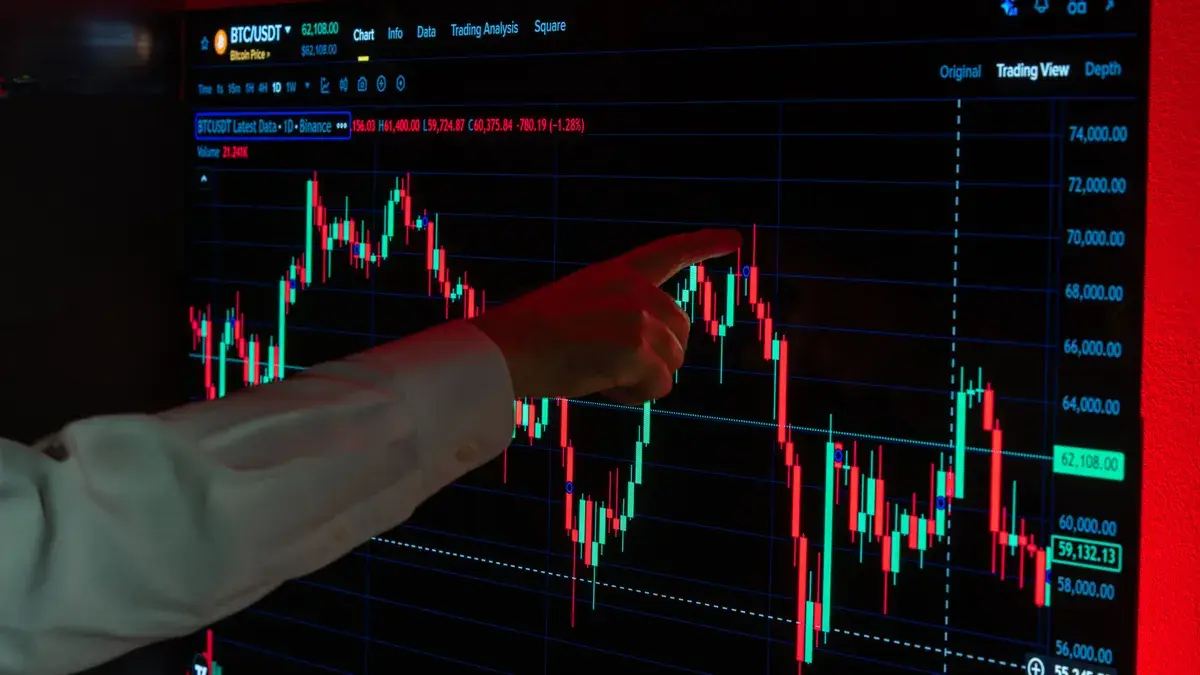
A beginner should learn the Binance account, security, and order screen before placing a trade. The first job is not picking a coin; it is making sure the account is protected and the order ticket is understood. Binance’s own academy materials on spot trading explain spot trading, order types, and security tools, and the U.S. SEC also warns that crypto assets can be highly risky and volatile: – Binance Academy: https://academy.binance.com/en/articles/what-is-spot-trading – SEC investor bulletin on virtual currency: https://www.sec.gov/oiea/investor-alerts-and-bulletins/ia_virtualcurrency
Specifically, the practical starting sequence is simple. Turn on 2-factor authentication, review withdrawal settings, and check whether the account is fully verified in the region where it is being used. Then open the spot market page and study the fields that control price, amount, and order type before entering anything.
Therefore, the most common beginner error is confusing a market order with a limit order. A market order aims to fill quickly at the best available price, while a limit order waits for the price the trader sets. On a fast-moving asset, that difference can change the result a lot in a few seconds.
After that, a second mistake is using money that cannot sit idle. Crypto can move sharply in minutes, and that is exactly why a short-term trade should never rely on funds needed for rent, debt payments, or emergency savings. No platform feature changes that basic rule.
Spot trading or futures: which one should a beginner use?
A beginner should use spot trading, not futures, because spot has fewer moving parts and no leverage. Futures can look attractive because they promise more exposure with less upfront capital, but that same structure can magnify losses quickly and create liquidation risk if the market moves against the position.
Here is the honest trade-off. Spot trading is easier to understand because the trader buys an asset and owns that position directly inside the account. Futures are contracts that track price movement and often involve leverage, funding mechanics, and margin requirements that can overwhelm a new user.
Binance Academy and the CFTC both describe futures as more complex than spot, and that complexity matters most when a beginner is still learning how a trade is opened and closed.
CriteriaSpot tradingFutures tradingWinner for beginners
Learning curveSimple order flowMore terms and controlsSpot
LeverageNo leverage in the basic flowLeverage is commonSpot
Liquidation riskNo liquidation from leverageLiquidation can happenSpot
Trade size controlStraightforwardRequires margin disciplineSpot
Speed of setupFast to understandMore screens and settingsSpot
Risk of a small mistakeLowerHigherSpot
Best use caseBasic buying and sellingAdvanced speculation and hedgingSpot
Emotional pressureLowerHigherSpot
Suits a first tradeYesUsually noSpot
So the weakness of spot trading is also its strength: it does not offer the same amplified exposure that futures do. For a beginner, that is a feature, not a flaw. The downside is that it may feel less exciting, and that usually means it is more suitable for learning.
Even so, futures are for traders who already understand leverage, margin, and order management. They are not wrong in themselves, but they are wrong for a first-week Binance user who is still learning how a limit order works. A beginner who skips directly to futures is taking on more risk than the platform requires.
Which Binance order type should I learn first?
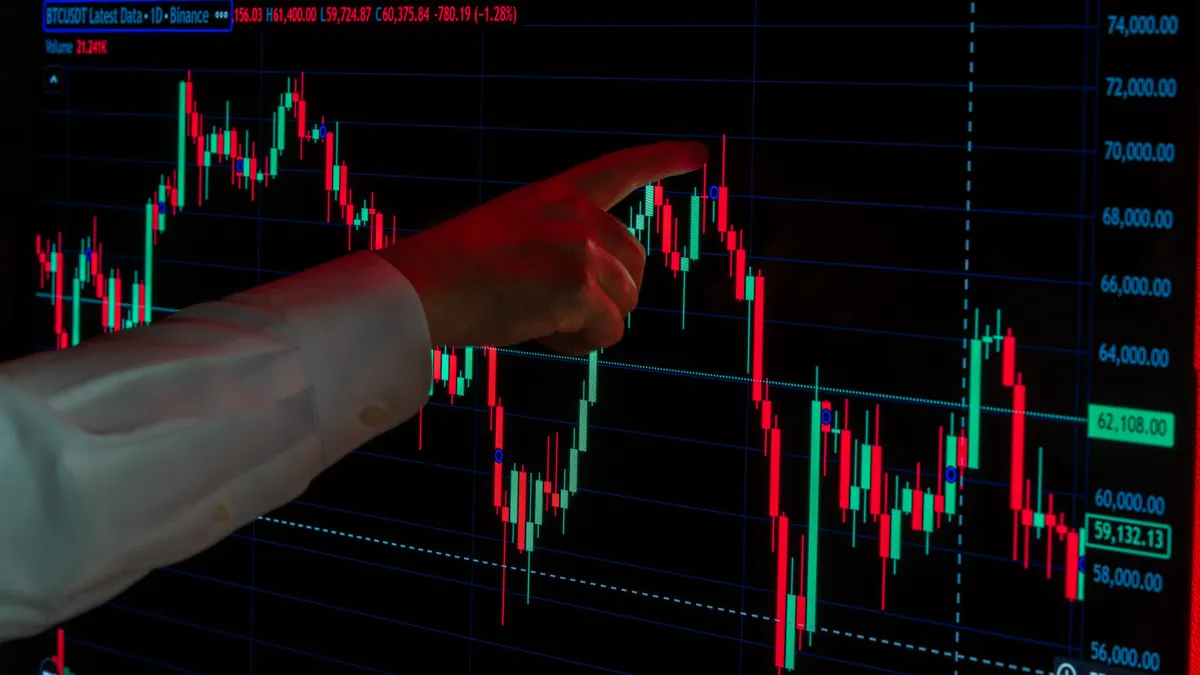
The first order type to learn on Binance is the limit order, then the market order, then stop-limit. A limit order teaches price control, which matters because it lets the trader decide the highest price to pay on a buy or the lowest price to accept on a sell. A market order is easier, but it can fill at a worse price than expected when the market moves quickly.
Since the reason to start with limit orders is practical, Binance shows price, amount, and total on the trade screen, and that structure helps a beginner see the full cost before the order goes in. A market order removes that control in exchange for speed.
For example, stop-limit orders are useful, but they are not the first tool a new trader needs. They add a trigger price and a limit price, which means two levels must be chosen correctly. If those numbers are set carelessly, the order may not fill the way the trader expects.
A useful beginner habit is to check the order summary twice before confirming. That sounds basic, but it catches mistakes like entering the wrong decimal place or mixing up quote currency and base currency. On a platform where a small input error can become a costly trade, the extra 10 seconds matters.
Specifically, for a first trade, the safest learning sequence is: read the pair, choose the order type, enter the size, review the total, then confirm only when every field matches the plan.
What are the smartest Binance tips and tricks for beginners?
The smartest Binance tips for beginners are to reduce friction, reduce surprises, and reduce the number of buttons that can be pressed by mistake. The most useful “trick” is not a hidden feature; it is using the platform in a way that lowers avoidable risk.
Start with the smallest practical trade size for learning the interface. That keeps the cost of a bad click or a bad assumption limited while the user learns where the order fields live. Keep the chart open if it helps, but do not let the chart dictate the trade.
Then use two screens of thinking, even on one screen. First, decide the asset and order type. Second, check the fee, total, and settlement before confirmation. Binance’s layout can make action feel quick, and quick is not the same as careful.
Security is part of trading, not a side task. 2FA, withdrawal whitelists where available, and strong password hygiene matter because account compromise can be more damaging than a bad entry price. The SEC and other regulators regularly warn that scams and hacks are part of crypto risk, not separate from it.
For instance, do not trade during moments of panic just because a chart looks dramatic. Fast candles often punish beginners who click first and think later. A measured entry on a limit order is often more sensible than chasing a move with a market order.
Also, avoid treating every dip as a signal; if a price move is making you want to act immediately, it is worth pausing and, if needed, consulting a qualified financial professional before you trade. Binance gives access to many pairs, but access is not a reason to trade. A beginner should have a reason for every action that can be stated in one sentence.
What mistakes cost beginners the most?
The costliest beginner mistakes are using leverage too early, misreading the order type, and ignoring fees and transfer steps. Those errors matter because they can create losses before the market even has time to move much.
However, a common mistake is entering futures because the interface makes them look like another tab instead of a different risk category. That is dangerous. Futures can require margin management, and a move that looks small on a chart can still hit a leveraged position hard.
Another mistake is placing a market order during a sharp move and assuming the fill will match the visible last price. It may not. In fast conditions, the executed price can differ from what was on screen when the order was submitted.
Transfers also trip people up. Moving funds between wallets, spot balances, and other sections can take more steps than expected. A beginner who does not confirm where the funds are held may think the account is ready when it is not.
Finally, a final mistake is confusing “busy trading” with “good trading.” More clicks do not equal better results. A beginner is usually better off doing fewer trades and learning the platform slowly than trying to act like an experienced desk trader on day one.
When should a beginner stay away from Binance futures?
A beginner should stay away from Binance futures until the mechanics of spot trading feel routine and the risks of leverage are fully understood. If the terms margin, liquidation, funding, and leverage are not already familiar, futures are premature.
There are a few exception scenarios where the general verdict can flip, but each one is narrow. A user who already understands derivatives from another exchange may find Binance futures useful because the mechanics are familiar. A trader who needs hedging for an existing crypto position may also need futures, but that is not beginner behavior.
Another exception is a user whose country or account setup limits spot access more than expected. In that case, the available product may shape the choice, but the risk should still be understood before any order is placed.
Once the account is comfortable with quick confirmation and settlement, the fourth exception is a highly disciplined learner who is only studying the interface with tiny exposure and strict rules. Even then, futures should be treated as advanced territory, not a shortcut to faster learning, and a qualified financial professional should be consulted if the trade is being considered for money that matters. The more leverage involved, the faster a mistake becomes expensive.
Ultimately, the simple rule is this: if the goal is to learn Binance, spot is enough. If the goal is to speculate with leverage, the user should already know why futures behave differently and what loss looks like when the market moves 1 way or the other.
What is the best beginner setup on Binance?
The best beginner setup on Binance is a secured account, spot trading only, and a limit-first habit. That setup keeps the account simple while the user learns how price, size, and execution interact on the platform.
A beginner should also treat Binance as one part of a wider money plan, not the whole plan. Crypto exposure should fit within a personal budget that can absorb volatility, because prices can move sharply and without warning. That is not a prediction; it is the nature of the asset class.
Then, the cleanest path is to learn one market pair, one order type, and one security routine before adding anything else. That usually means fewer mistakes and a clearer sense of what the platform is doing with each click.
A lot of beginner pain comes from trying to master every feature at once. Binance offers a broad set of tools, but broad access does not mean every tool is appropriate on day one. The strongest beginner strategy is restraint.
FAQ: related questions beginners ask
Is Binance good for a complete beginner?
Yes, Binance can work for a complete beginner if the user starts with spot trading and security settings first. The platform has enough tools to learn on, but that same breadth can confuse someone who jumps into futures or advanced order types too early.
Should a beginner use market orders or limit orders?
A beginner should start with limit orders because they control price more directly. Market orders are simpler, but they can fill at a price that is worse than expected during volatile moves.
Is Binance futures too risky for beginners?
Yes, Binance futures is usually too risky for beginners because leverage can magnify losses and add liquidation risk. A new user should understand spot trading and order types before touching derivatives.
What is the biggest beginner mistake on Binance?
The biggest beginner mistake is using the wrong order type or using leverage without understanding it. A second major mistake is skipping account security, which can turn a trading problem into an account problem.
Do crypto rules and taxes work the same everywhere?
No, they do not. Crypto rules, tax treatment, and account limits vary by country and change over time, so a qualified local adviser or tax professional should be consulted for a personal case.
Drafted with AI; not yet reviewed by a person.