Last updated: November 05, 2026
Quick Answer: In this Centralized vs Decentralized Crypto Exchanges guide, the usual trade-off is simple: centralized exchanges fit most beginners and fiat-to-crypto users, while decentralized exchanges fit users who want self-custody and on-chain control. I write about personal finance and crypto markets with a focus on how custody, liquidity, and counterparty risk change the result for the person making the trade. This is information, not financial advice; for your own tax, legal, or account setup, speak with a qualified adviser.
Key Takeaways
- A centralized exchange is a company-run platform that keeps your assets and matches trades internally.
- A centralized exchange is usually easier to use and often more liquid on major pairs.
- Centralized exchanges suit most people moving between fiat and crypto or learning how markets work.
- A decentralized exchange is the better fit when self-custody matters most.
The real difference between a centralized exchange and a decentralized exchange
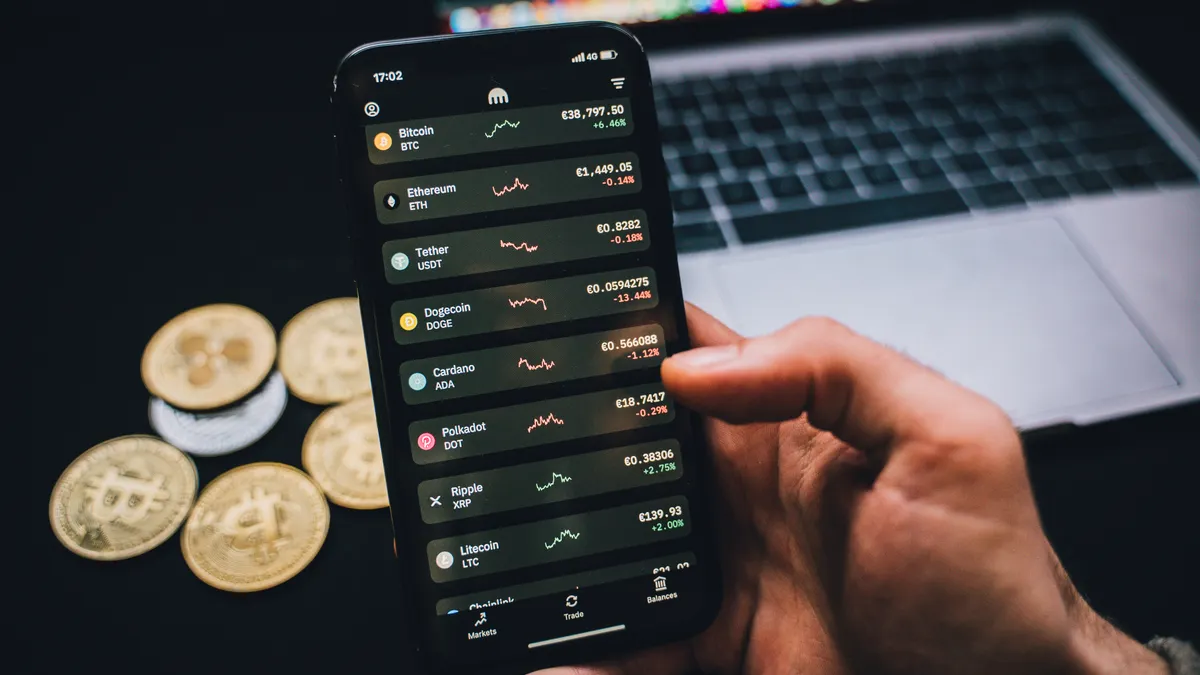
A centralized exchange is a company-run platform that holds assets for you and matches buyers and sellers inside its own system. A decentralized exchange, or DEX, lets users trade directly from self-custody wallets through smart contracts on a blockchain. That custody split is the whole game: who controls the private keys, who can halt the trade, and where the risk sits.
Centralized exchanges usually look more like traditional brokerages. You open an account, often complete KYC identity verification, deposit funds, and trade in an internal order book. The exchange can offer tighter price matching because it aggregates many users in one venue. The downside is counterparty risk: if the platform freezes withdrawals, is hacked, or faces a legal issue, your access can be affected even if the trade itself looked normal.
DEXs work differently. The trade happens on-chain through a protocol, often against liquidity pools rather than a company-managed order book. You sign transactions from your own wallet, which means you keep custody until the moment the swap executes. That reduces dependence on a middleman, but it also pushes more responsibility onto the user: correct network, correct token contract, correct wallet approval, and enough native-chain gas to pay the transaction fee.
For a reader trying to decide quickly, the right question is not “which is better?” It is “which risk do I want to hold myself?” If the answer is “I want support, fiat on-ramps, and simpler recovery,” a centralized exchange usually fits better. If the answer is “I want direct control and on-chain execution,” a DEX makes more sense. For background on exchange rules and custody risk, see the SEC’s investor guidance on crypto assets and the CFTC’s page on virtual currency basics.
The Honest Side-by-Side
A centralized exchange wins on convenience, support, and often deeper liquidity for mainstream trading pairs. A decentralized exchange wins on self-custody and direct on-chain control, but only if the user can handle the extra steps and the transaction risks. This is the comparison that actually changes the choice.
| Criteria | Centralized exchange | Decentralized exchange | Winner for [condition] |
|---|---|---|---|
| Custody model | The platform holds assets in its own wallets | The user signs trades from a self-custody wallet | DEX, when control matters most |
| KYC | Usually required for account access and withdrawals | Often no identity verification at the protocol level | DEX, for users avoiding KYC where allowed |
| Liquidity for major pairs | Often deep on widely traded assets | Depends on the pool, chain, and token | Centralized exchange, for large mainstream pairs |
| Trade execution | Internal order books and platform matching | On-chain swaps through smart contracts or AMMs | Centralized exchange, for cleaner execution |
| Counterparty risk | You rely on the exchange’s solvency and controls | You rely on the smart contract and your own key security | DEX, when platform risk is the bigger concern |
| Wallet responsibility | The exchange handles custody mechanics | The user manages keys, approvals, and recovery | Centralized exchange, for lower user burden |
| Fees | Trading and withdrawal fees vary by venue | Network gas plus protocol fees and possible slippage | Depends on chain congestion and trade size |
| Asset access | Usually limited to listed assets | Can reach newer tokens faster, but with more risk | DEX, for niche tokens with enough liquidity |
| Support and recovery | Customer support may help with account issues | No help desk can reverse a mistaken on-chain transfer | Centralized exchange, for novice users |
| Network constraints | Platform can internalize transfers and orders | Trades depend on blockchain congestion and finality | Centralized exchange, when speed and predictability matter |
The table hides one subtle point that matters in practice: “fees” are not just the line on the screen. On a DEX, a low visible protocol fee can still become an expensive trade if the network is busy and slippage widens. On a centralized exchange, a posted trading fee can look higher while the effective cost is lower because the order book is deeper. The cost that matters is the one you actually receive after execution, not the number printed in the fee schedule.
For a broader map of how trading platforms differ, the hub on crypto exchanges and trading platforms is the right next stop; this page stays focused on the centralized-versus-decentralized choice. For execution quality and market structure, the SEC’s investor bulletin on trading venues is also useful.
Centralized exchanges: who should actually use them, and who shouldn’t
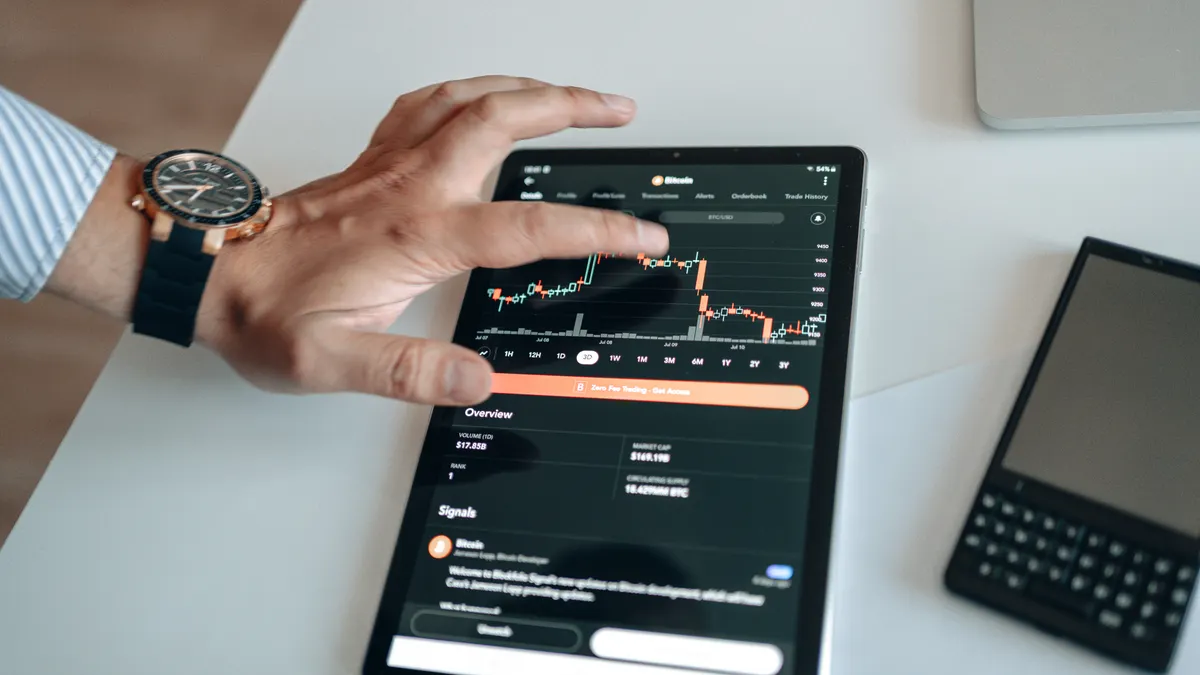
Centralized exchanges win for most people who are moving between fiat and crypto, trading familiar assets, or learning the mechanics of the market. That is not a glamorous answer, but it is the practical one. The platform handles account security tools, password recovery, and much of the trading infrastructure, which lowers the number of ways a small mistake can turn into a lost transaction.
The main strengths are straightforward. A centralized exchange usually offers a more familiar interface, which matters when you are dealing with market orders, limit orders, and deposits from a bank account or card rail. KYC can be annoying, but it also creates a formal account trail and access controls that some users need for compliance or recordkeeping. For liquid pairs, the order book can give a cleaner fill than a thin pool on-chain.
The weaknesses are just as real. You do not control the private keys. If the venue pauses withdrawals, changes policies, or suffers a security incident, you may be exposed to a delay or worse. That is counterparty risk in plain language. A person who wants independent custody should not pretend this is a minor detail, because it is the entire custody model. Centralized exchanges also tend to be the wrong fit for users who cannot or do not want to complete identity verification.
This category fits a specific profile: someone who values account recovery, wants easy fiat access, trades mainstream assets, and accepts that a company sits between the user and the blockchain. It is a poor fit for anyone trying to minimize third-party custody or avoid handing identity documents to a platform. A centralized exchange can be the right tool, but it is still a custodial tool. That distinction is not cosmetic; it is the reason the choice exists at all. For more on account-based controls and consumer protections, see FINRA’s crypto asset resources and the IRS page on digital asset reporting.
Decentralized exchanges: the specific situations where they win
A decentralized exchange wins when self-custody is the point, not just a preference. If the user wants to keep assets in a self-custody wallet and trade without passing control to a platform, a DEX is the cleaner match. The trade happens on-chain, and that means the user keeps custody until the transaction is signed and confirmed.
That structure matters most in three situations. First, some users want to avoid KYC where the protocol and local law allow it. Second, many tokens appear on DEXs before they appear on centralized exchanges, especially newer or niche assets. Third, on-chain trading can be useful when a user already operates inside a specific blockchain ecosystem and wants to swap between tokens without moving through a custodial account.
The trade-offs are not small. A DEX can expose the user to slippage, front-running concerns on some networks, and the risk that a token contract itself is bad. Liquidity pools can also be thin, which means a trade that looks easy can move the price more than expected. Fees are not always lower either; on a busy chain, network gas can make a small swap hard to justify. A person who makes one wrong wallet approval can create a problem no support desk can reverse.
This is the right tool for someone who understands on-chain transactions, can manage private keys, and is comfortable reading the asset contract address before swapping. It is not the right tool for a beginner who wants customer support, fiat rails, or the ability to recover access through an account process. DEXs offer control. They do not offer hand-holding. That is a feature for advanced users and a trap for the unprepared.
What people get wrong about fees, liquidity, and control
The wrong assumption is that decentralized automatically means cheaper and centralized automatically means safer. Both are too blunt to be useful. Fees, liquidity, and control move differently on each venue type, and the result depends on the trade itself.
Liquidity is the first place people get misled. On a centralized exchange, liquidity comes from a pool of users inside the platform’s order book. On a DEX, liquidity often comes from liquidity pools funded by users or other market participants. That means a token can be easy to buy on one venue and costly on the other, even on the same day. The spread, pool depth, and network congestion matter more than the label on the homepage.
Control is the second trap. Self-custody sounds like pure freedom, but freedom includes responsibility. If the seed phrase is lost, the assets are gone from the user’s side. If the wrong chain is selected, the trade can fail or land in the wrong place. A centralized exchange removes some of that burden, but it replaces it with platform risk, account freezes, and policy changes. There is no version of this market with zero trust. The question is which trust is more acceptable.
Fees deserve a careful read too. A platform fee and a blockchain fee are not the same thing. On-chain trading can stack gas costs, protocol fees, and slippage into one painful total. A centralized exchange may charge a visible trading fee and later a withdrawal fee, but for large liquid pairs the final cost can still be lower if execution is tighter. That is why comparing “fee percentages” in isolation is a mistake.
For a reader who wants a rule of thumb: choose the venue where the cost of the risk matches the value of the trade. Small, frequent, mainstream trades often fit a centralized exchange better. Self-directed, on-chain, or niche-token trades often fit a DEX better.
What if the answer changes because of your situation?
The verdict flips in a few cases, and those exceptions matter more than the average comparison. A person who needs to move value across chains or into obscure tokens may find a DEX more useful than any custodial account because the asset never appears in a centralized listing. A person who must keep clean account records for tax or compliance purposes may prefer a centralized exchange because the reporting trail is clearer and the account structure is more familiar. For those edge cases, consult a qualified tax or compliance professional and check local guidance from the IRS or your national regulator.
Another exception is trade size. Very small trades on a busy network can become irrational on a DEX if gas is high relative to the trade. In that case, a centralized exchange may be more practical simply because the all-in cost is easier to predict. The opposite can also happen: a thin centralized order book can produce worse execution than a deep on-chain pool for a specific pair, especially if the asset is active in a major AMM ecosystem.
A third exception is operational skill. If a user already manages self-custody wallets, understands token approvals, and checks contract addresses, the DEX learning curve is manageable. If not, the safer choice in practice may be the platform with customer support and account recovery, even if it introduces counterparty risk. Skill changes the right answer.
Finally, local law can override preference. KYC rules, tax treatment, withdrawal controls, and access to specific services differ by country and change over time. That is not a footnote; it can decide which venues are available at all. A qualified adviser or local compliance professional is the right source for that part. For a starting point on U.S. tax treatment, see the IRS digital assets guidance.
The verdict: which one to choose and why
Choose a centralized exchange if you want account recovery, fiat access, deeper liquidity on mainstream pairs, and less operational work. Choose a decentralized exchange if you want self-custody, on-chain execution, and direct control over your trades. Neither if you do not understand how private keys, gas fees, and contract approvals work, because then the main risk is user error.
That is the cleanest decision line I can give. The difference is not about ideology. It is about custody, verification, liquidity, and who absorbs the mistakes.
Is a decentralized exchange safer than a centralized exchange?
A decentralized exchange is not automatically safer. It reduces platform custody risk, but it adds smart-contract risk, wallet responsibility, and the chance of user error. A centralized exchange adds counterparty and custody risk, but it can also offer account controls and recovery options. “Safer” depends on which failure is more likely for your setup and skill level.
Do decentralized exchanges require identity verification?
A decentralized exchange usually does not require identity verification at the protocol level. That said, access can still be limited by local law, front-end rules, or network conditions, and some related services may ask for KYC. The important distinction is that the on-chain swap itself is typically tied to a wallet, not a named account.
When should I use a centralized exchange instead of a DEX?
Use a centralized exchange when you need fiat deposits, account recovery, simpler interfaces, or strong liquidity for common assets. It also tends to fit users who do not want to manage self-custody wallets or on-chain approvals. If you are new to crypto or making routine trades, the custodial model is usually easier to handle.
Drafted with AI; not yet reviewed by a person.